College of Education
The College of Education offers accredited undergraduate and graduate programs that lead the way in research-informed best practices with applied experiences.
Few professions are as critical to a healthy society as teaching, counseling, and leadership.
All College of Education programs are fully accredited and firmly grounded in the liberal arts and sciences. Programs and courses are thoughtfully crafted by our experienced faculty, who model best practices in teaching and learning.
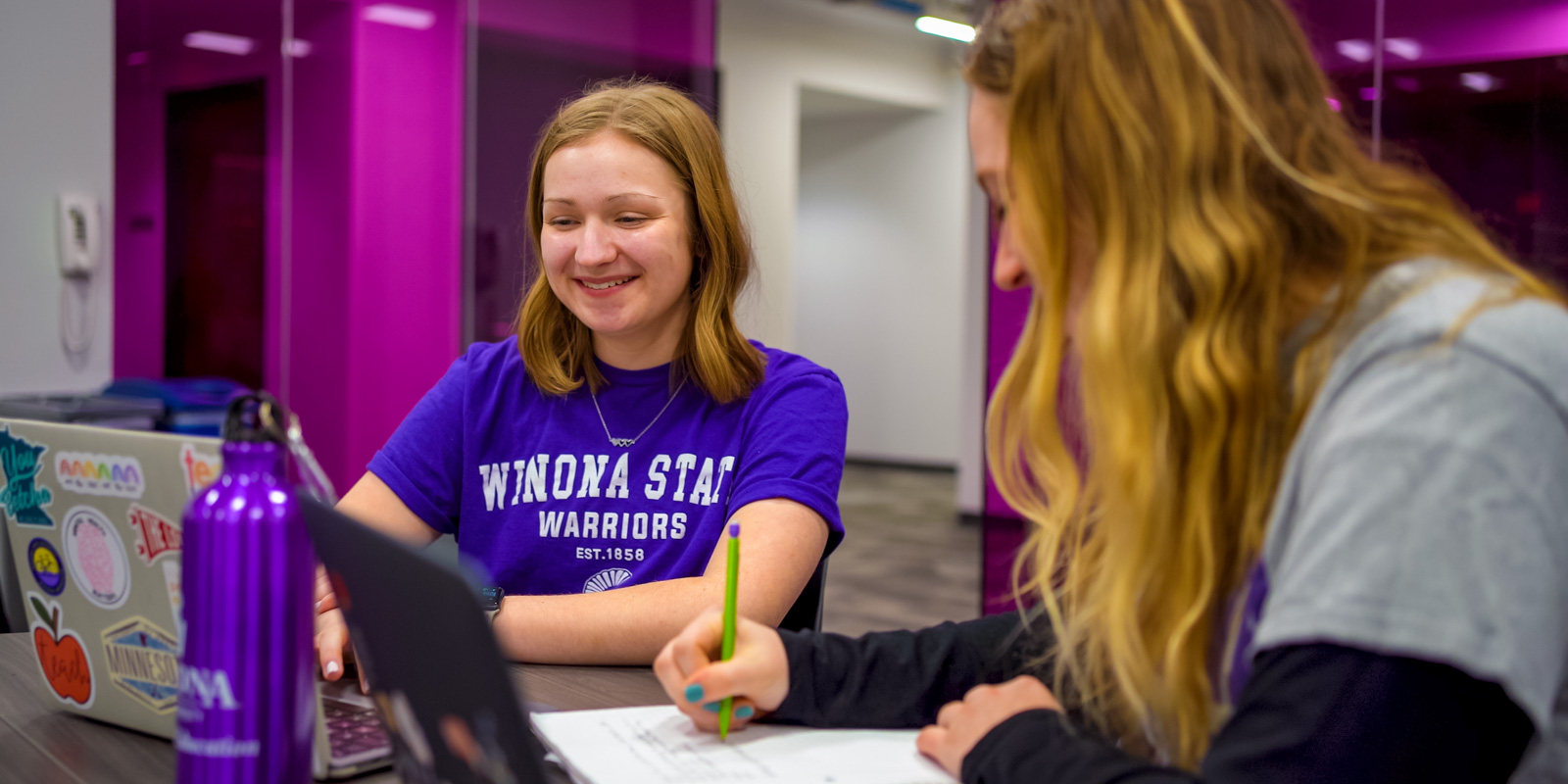
Students also have a wide range of hands-on learning opportunities starting their first year at WSU.
Students complete our programs feeling prepared, confident, and excited for rewarding careers.
At WSU, we build on the noble traditions of the teaching profession with new knowledge and modern practices that are responsive to today’s education environment.
Opened in 2019, the Education Village brings together state-of-the-art technology, collaborative clinical experiences, and academic excellence within teacher education programs and learning spaces.
In this way, future teachers are prepared with the knowledge and skills to meet the needs of school districts and communities in Southeast Minnesota and beyond.
Learning can’t be contained within four walls.
The Outdoor Education & Recreation Center offers training and certification opportunities so students can teach in any environment.
Through the WSU Children’s Center, students can complete practicum hours and gain hands-on experience in the classroom—right on campus.
The Children’s Center provides education and care for infants, toddlers, and children in elementary school.
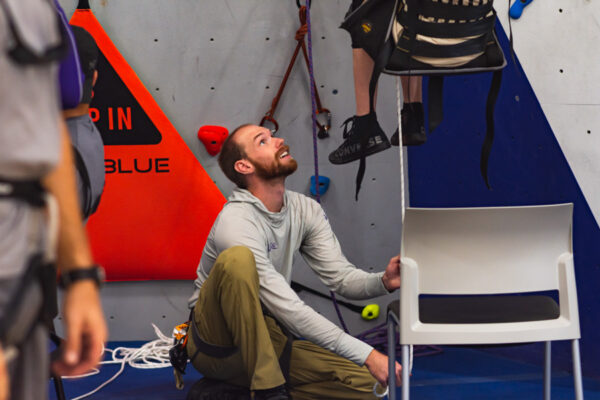
Winona State has the largest climbing center of any university in the Midwest, and now WSU is one of only two Midwest institutions with a certified adaptive climbing center.
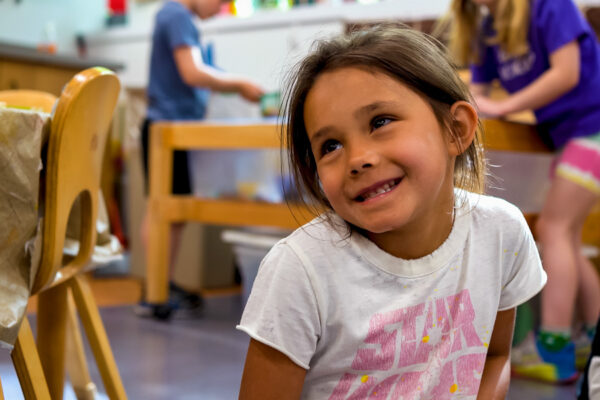
Our licensed teachers at the Children’s Center are addressing development delays in children’s social and emotional skills caused by the COVID-19 pandemic.
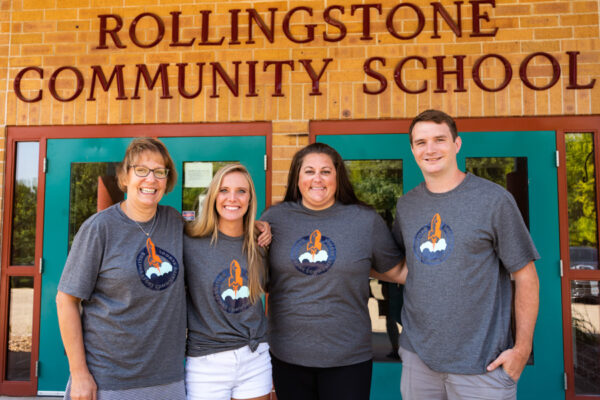
WSU alumni Megan ‘06, Tony ‘16, and Anna ‘17 reopened a local elementary school for kids in the rural Rollingstone area and are making a difference with their degree.
Initial licensure and advanced programs are accredited by the Minnesota Professional Educator Licensing and Standards Board (PELSB).
The school and clinical mental health counseling masters’ programs are accredited by the Council for Accreditation of Counseling and Related Education Programs (CACREP). These programs are also recognized for initial state licensure by the PELSB and the Board of Behavioral Health and Therapy (BBHT) respectively.
Educational Leadership is accredited by the Minnesota Board of School Administrators (BOSA).
The WSU Children’s Center is accredited by the National Association of the Education of Young Children (NAEYC).
We’d love to tell you more about the degree programs, resources for students and partner schools, and news from the College of Education.